Creosote is one of the leading causes of chimney fires in wood-burning systems. As smoke cools inside the flue, sticky residues form and harden along chimney walls, creating a highly combustible layer that can ignite at high temperatures.
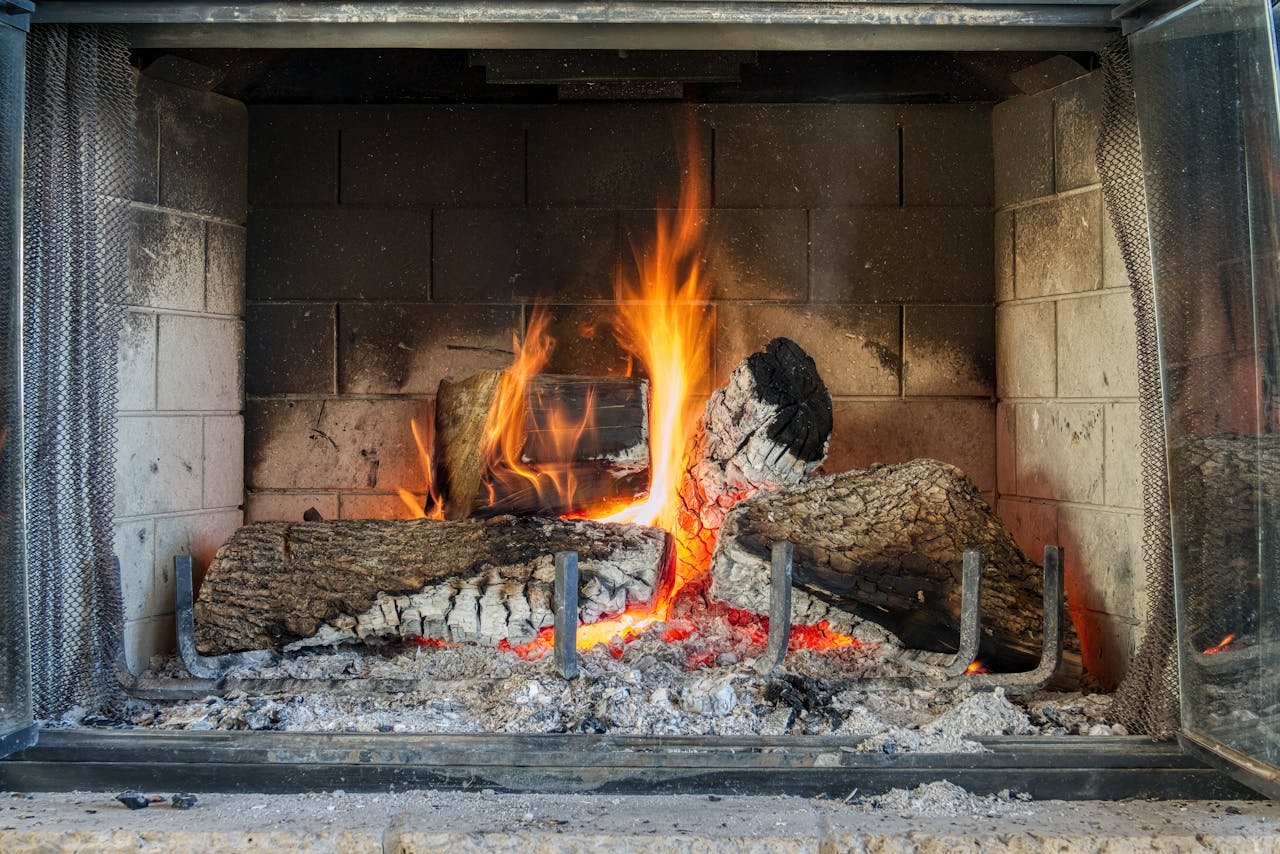
Why Creosote Builds Up
Creosote buildup happens faster when burning unseasoned firewood, running low smoldering fires, or using a system with poor draft. Cooler chimney temperatures in winter can also accelerate condensation of smoke particles in the flue.
Over time, soft soot can become thick tar-like deposits and then hardened glaze creosote. Once glaze forms, chimney cleaning is more difficult and often requires specialized tools and techniques.
Signs Creosote May Already Be a Problem
Warning signs include a strong smoky smell, dark flaky residue in the firebox, reduced draft, and visible black buildup around the damper area. These are signs your chimney may already have dangerous deposits and should be inspected promptly.
How to Reduce Chimney Fire Risk
Burn dry, seasoned hardwood, avoid long smoldering fires, and have your fireplace and flue inspected annually. For many homeowners in Michiana, yearly chimney sweeping is the safest baseline for preventing hazardous creosote accumulation.
Professional chimney technicians can identify creosote stage, check venting performance, and recommend the right cleaning interval based on your fireplace usage and wood-burning habits.
Preventive maintenance is always safer and less costly than emergency fire damage repair. If your fireplace has not been serviced recently, now is the right time to schedule an inspection and sweep.